


Your Best Sleep In Years Guaranteed
TAKE THE 8 NIGHT SLEEP CHALLENGE
4 CAPSULES PER NIGHT
60-DAY GUARANTEE
SLEEP BETTER OR YOUR MONEY BACK!

Mental Health Hygiene
Here To Support Your Mental Health, Understanding That Nutrition Becomes
Personality.
AS FEATURED IN


Lorem ipsum dolor sit amet, consectetur adipiscing elit. Nam at tincidunt nunc. Aliquam fermentum arcu ut mattis ullamcorper. Pellentesque habitant morbi tristique senectus et netus et malesuada fames ac turpis egestas. Proin!
SHOP BY HEALTH BENEFIT
BEST SELLERS




What our community says


Why Upgraded?


"This is my favorite magnesium product on the market. I recommend it to all of my clients and I've personally noticed incredible improvements in sleep quality."
Dr. Mindy Pelz
International Speaker | Best Selling Author

"My deep sleep was the worst it had ever been, and at an all-time low after having Covid. I experienced incredible improvements in my deep sleep with Upgraded Formulas' Upgraded Magnesium and I was already taking high-quality brands I trust and have recommended to patients for years."
Dr. Sachin Patel
The Doctor's Doctor | 2x Best Selling Author

“I use all of the Upgraded Formulas' products on a daily basis in my practice and recommend them to my family. Big fan of how effective these products are.”
Dr. Shawn Tassone
Leading Hormone Expert | Best Selling Author
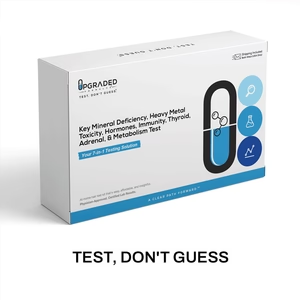
What's Included In The Hair Test Kit?
- Step by Step Instructions
- Hair Collection Envelope
- Quick Questionnaire
- Prepaid Shipping Label
- 100% Recycled Shipper

Take Away The Guesswork
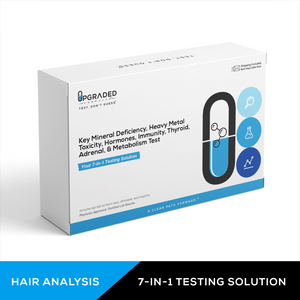
At-Home Hair Test Kit. Say goodbye to painful blood draws. Our test results provide exactly what your body needs to optimize your health.

What To Expect From Test Results?
- Fast. Accurate. Actionable.
- Key Mineral Status
- Heavy Metal Toxicity Levels
- Current State of Metabolism
- Consultation from Certified Professionals
Blog posts

Iodine Deficiency and Fatigue: Is This Why You're Tired?

Why Am I So Tired All The Time?
